Intelligent manufacturing workflow software

MOS – Manufacturing Execution System is a SaaS Platform that streamlines workflows, ensures process compliance, enhances visibility, and reduces production costs.
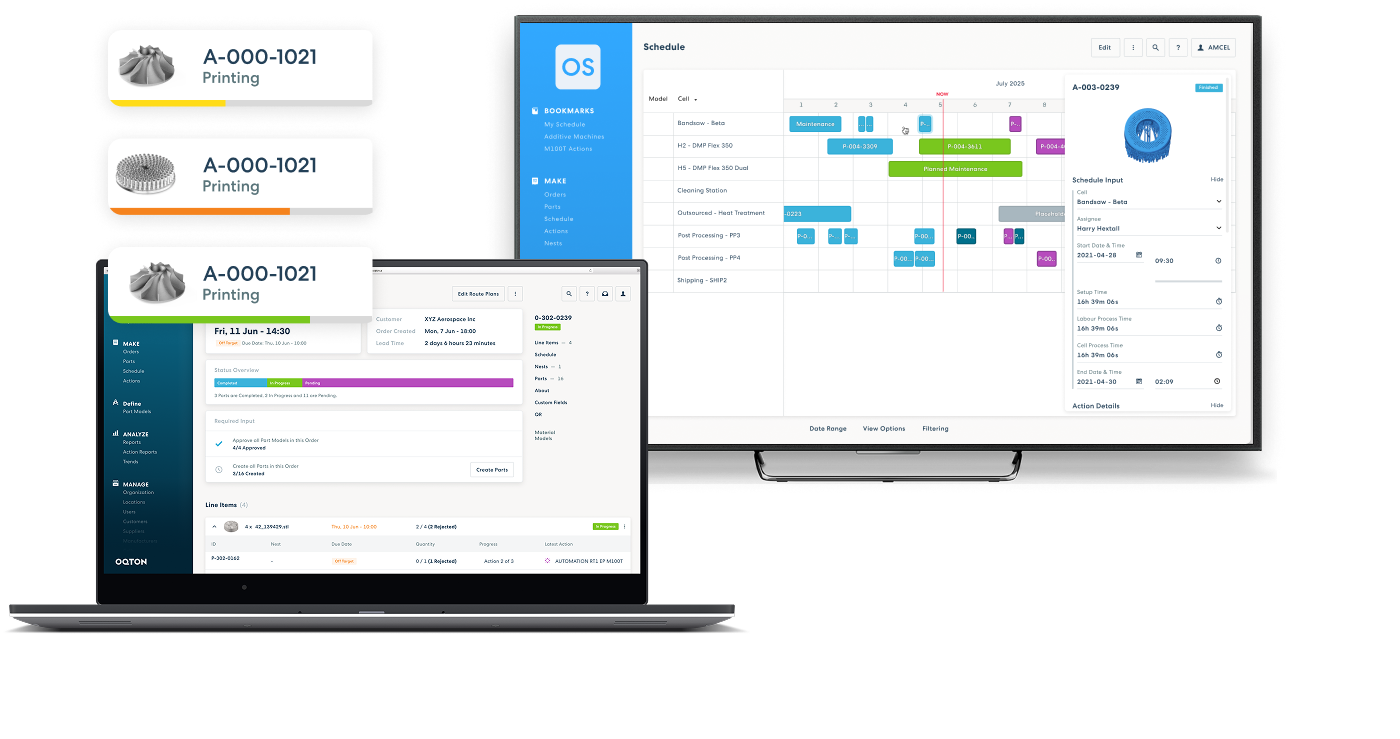
Industry-leading workflow solution for additive manufacturing

Define your workflow

Reduce costly mistakes caused by manual, disconnected processes and ensure part and material quality

Traceability through the entire process:

Trace Machines, Parts and Orders through their whole workflow for better control and faster decisions

Take control of your production

Gain complete visibility into every operation. directly control your production workflow. use collected data to perfect your manufacturing outcomes.

Operate from anywhere – One Source of truth

Access your operations anytime, anywhere. Our MES centralizes data to support faster decisions, seamless collaboration, and high-quality parts.
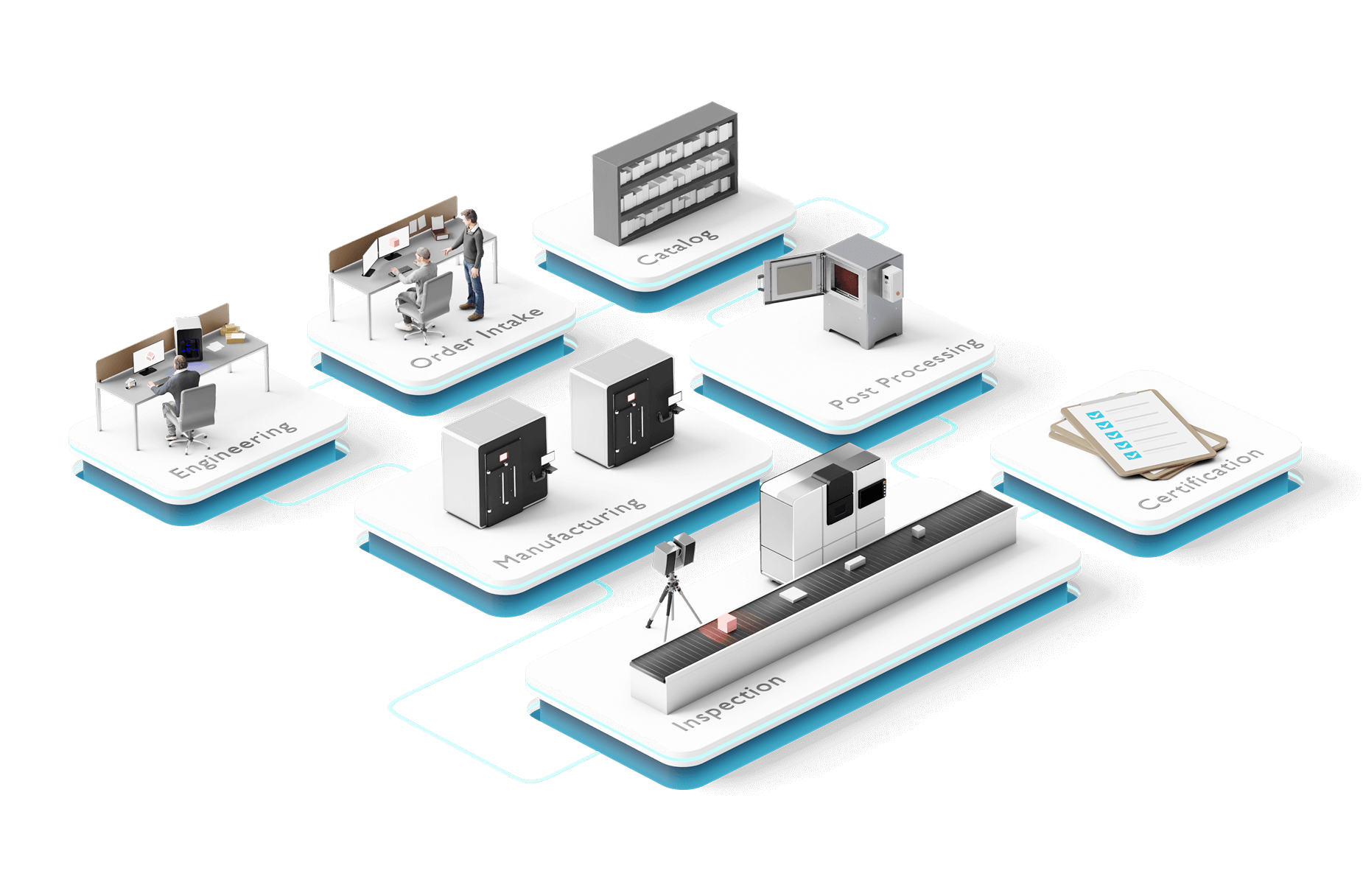
Oqton Manufacturing OS

Produce on-demand with confidence

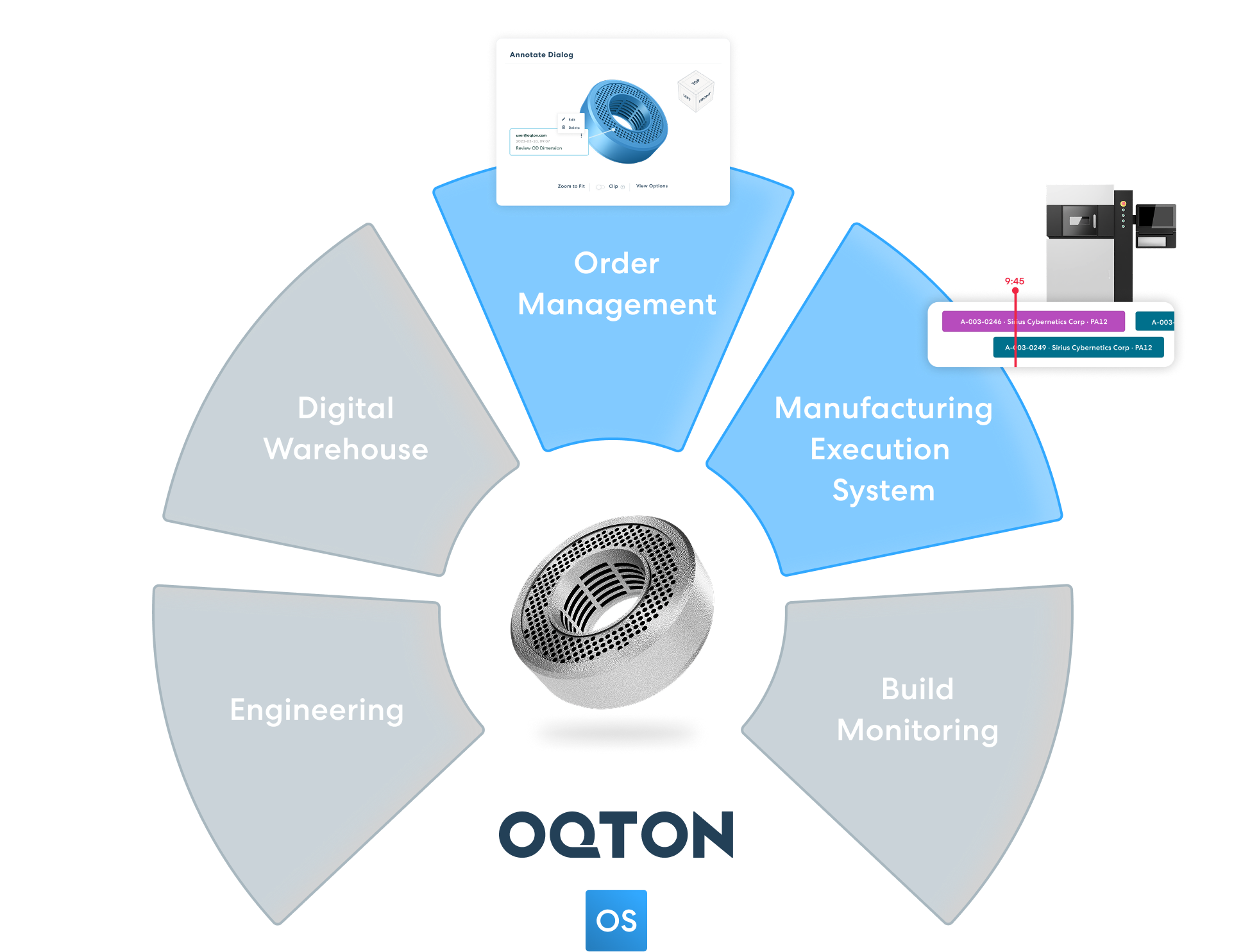
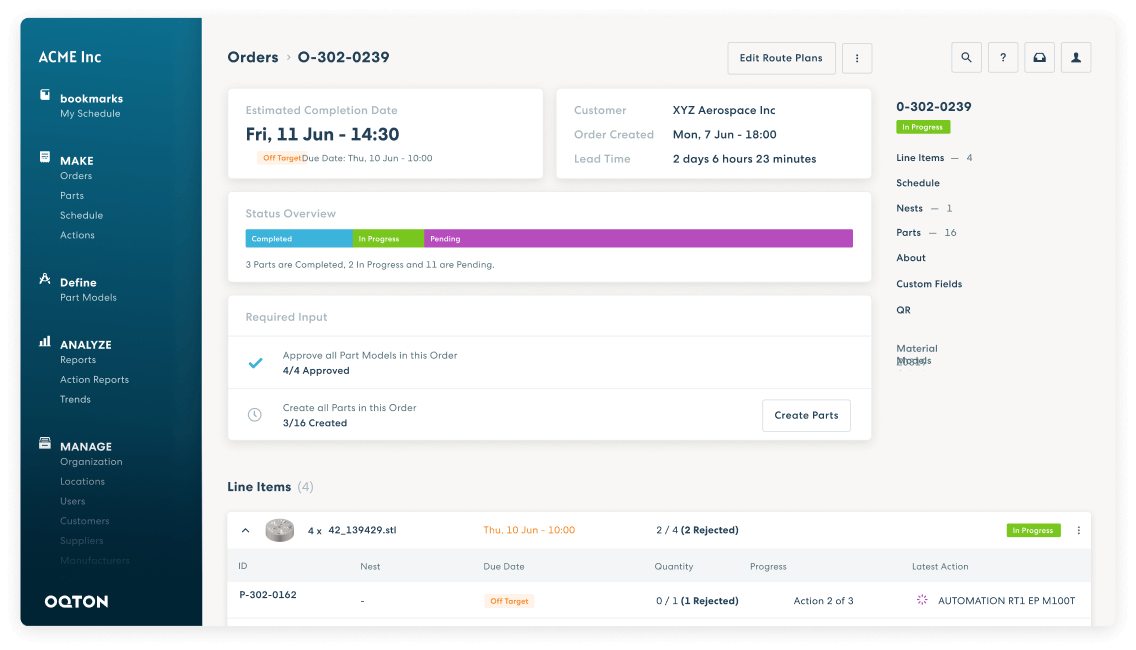
PRODUCTION Order MAnagement

Enhance Efficiency and Reduce Cost
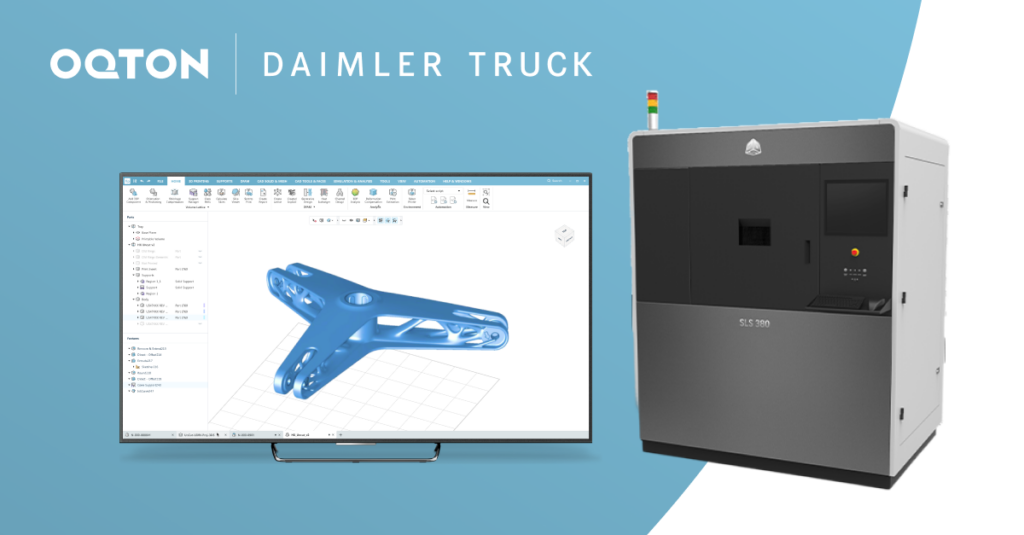
3DXpert provides a dedicated design toolset required for light-weighting, texturing, and printability modifications. Constructed with manufacturability in mind, 3DXpert puts the M in DfAM.
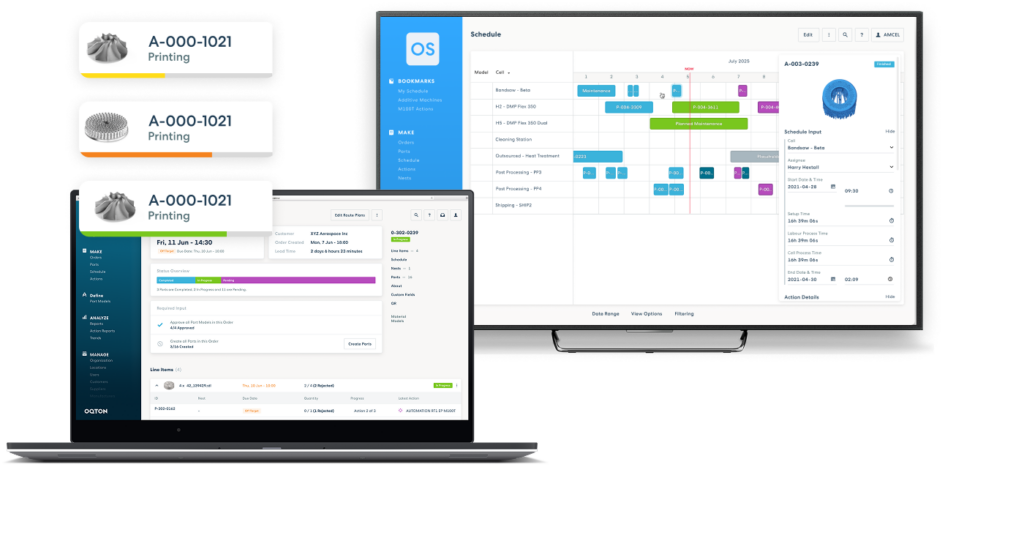
  • Automate and track every step from print to post-processing
  • Gain fully visibility on your production order status and timeline
  • Ensure seamless management of part and print files to guarantee on-time delivery

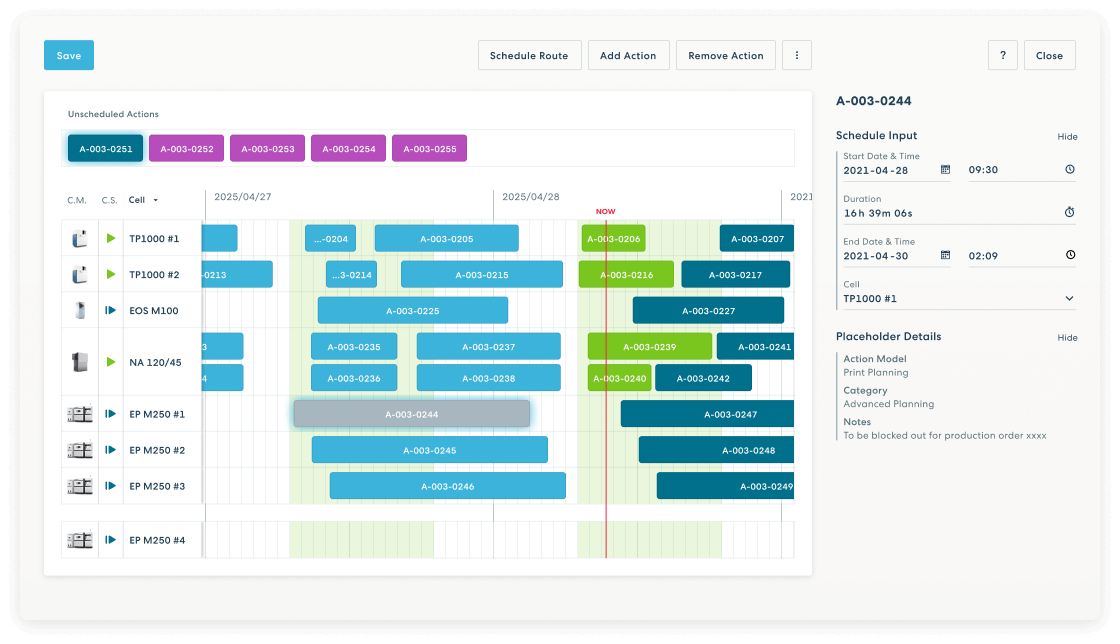
Planning, Scheduling and Execution

Manage Production in real time

  • Trace every resource for better control and faster decisions
  • Connect live data from machines and increase uptime
  • Gain actionable insights to drive efficiency

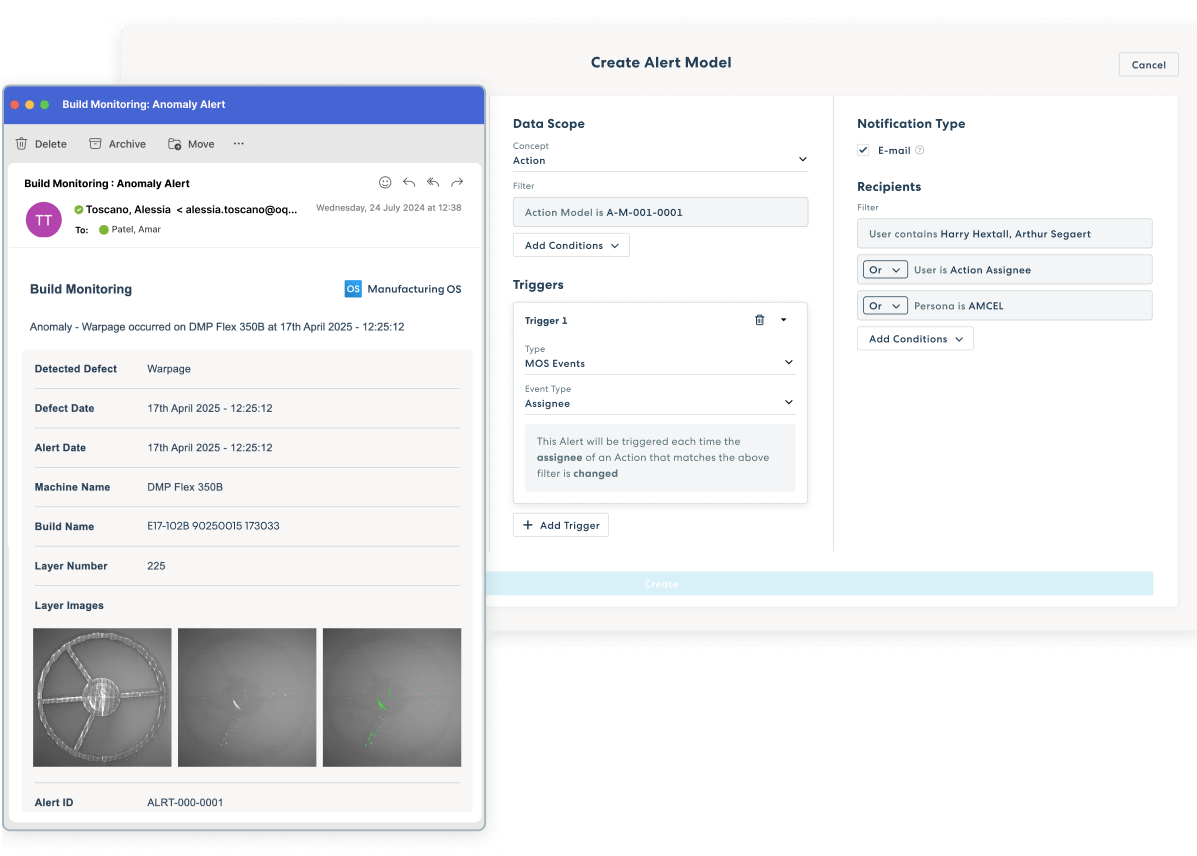
Monitor and Alert

Manage your Quality Process
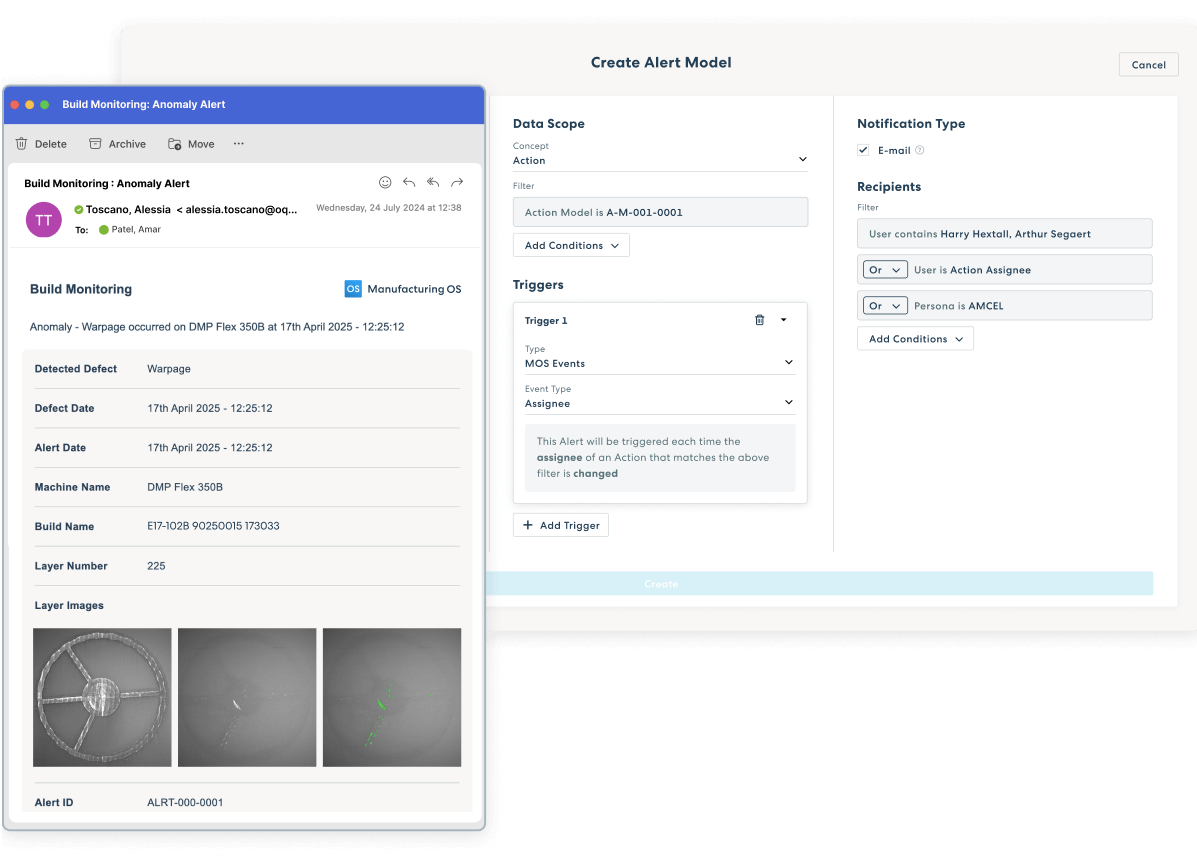
  • Automatically capture and analyze data to detect issues in real time.
  • Receive alerts and notifications to respond quickly and reduce downtime.
  • Improve quality, reduce scrap, and cut costs through rapid root cause analysis.

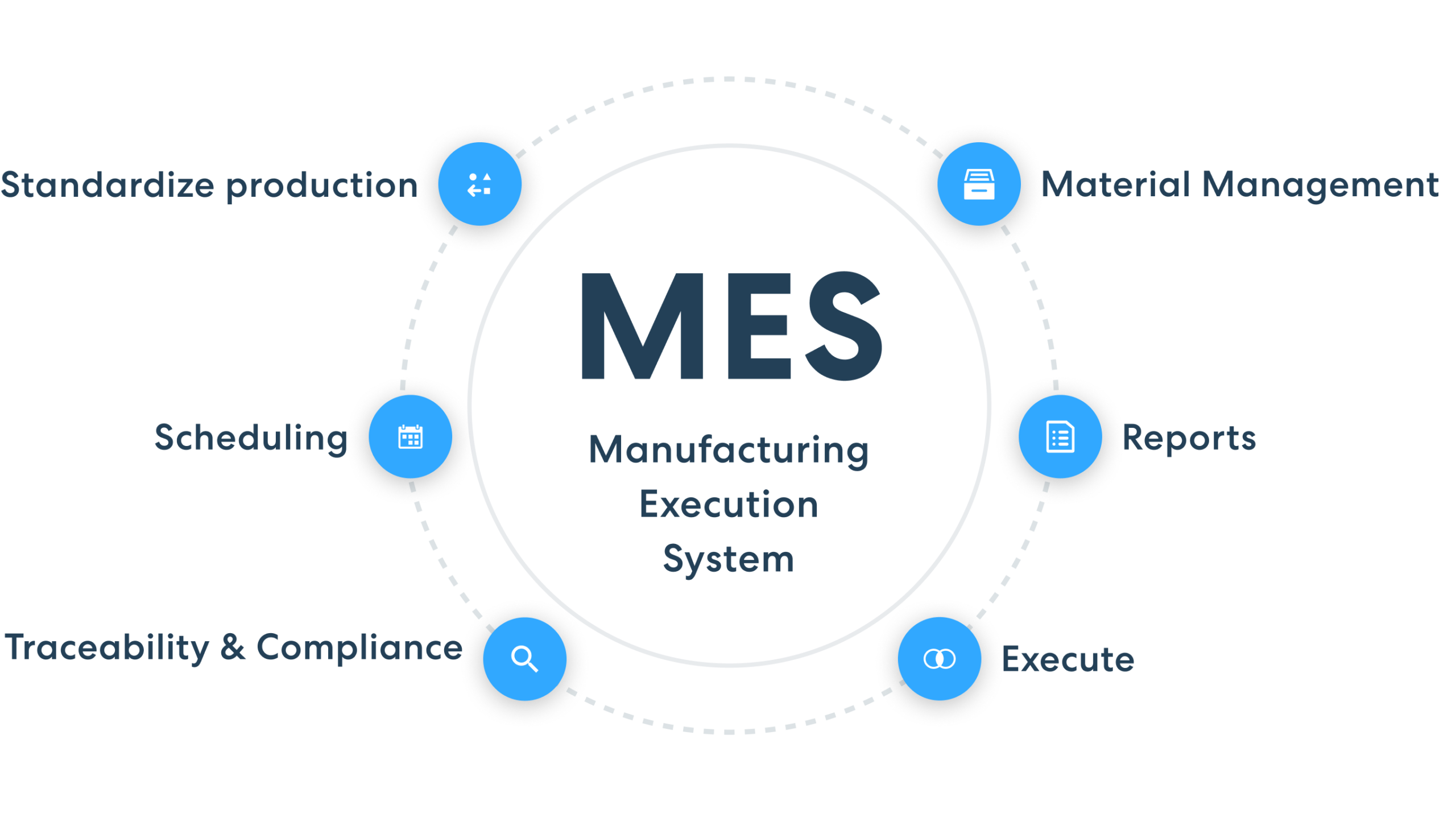
Routes and Actions Enable Traceability

Standardize & Scale

  • Optimize machines, materials, tools, and manpower to boost efficiency
  • Reduce costly mistakes caused by manual disconnected processes
  • Ensure material quality by leveraging material management

Reporting

Access regulated industries

Gain certifications and qualify quicker
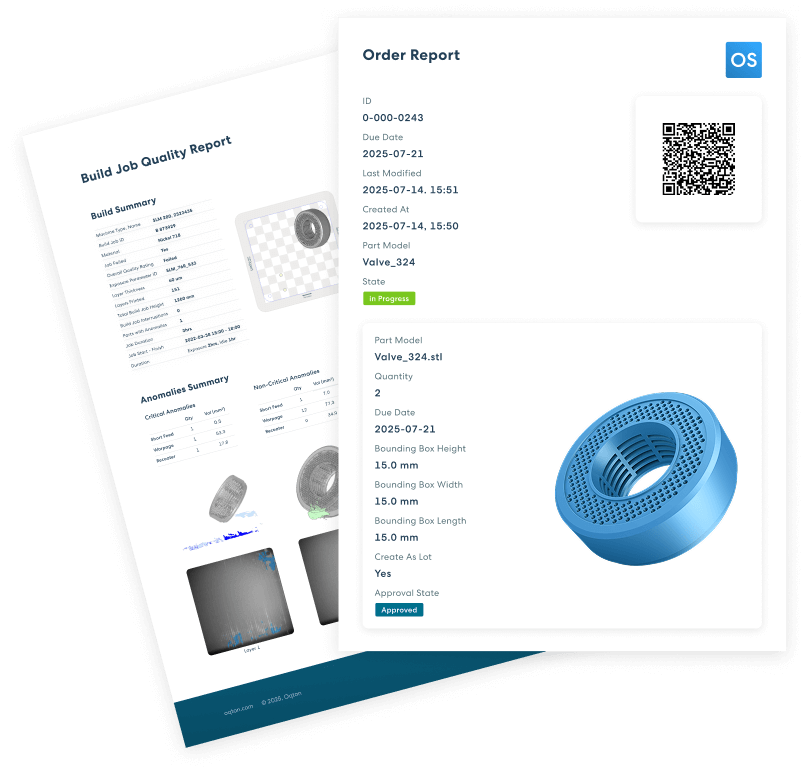
  • Instant configurable report generation
  • Simplify audits and ensure adherence to standards
  • Link every production step to quality inspection results

Integration

Connect to your Infrastructure

Open API’s to connect with your ERP, PLM and other infrastructure
  • Create a bidirectional link with your enterprise systems
  • Automate business processes
  • Fully customizable based on your needs

Optimized for your production equipment with deep integration

Key Capabilities

Purpose-Build for Your Industry’s Demands
Key Capabilities

Purpose-Build for Your Industry’s Demands

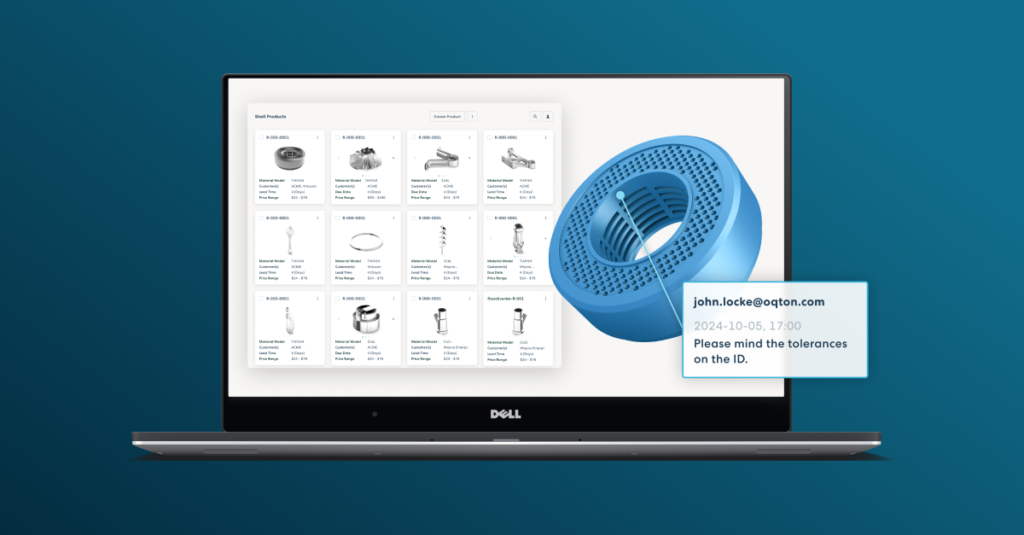
Seamlessly access your catalogued products. Allow your customers and internal teams to easily find, request, and order approved parts directly from the digital catalogue. Connects with approved suppliers who can fulfill the request and share all necessary quality reports directly through the platform.
MOS additive Manufacturing Software
Don’t take our word for it!
Have a look at how successful our customers are
MOS FAQs

What is an MES for additive manufacturing, and how does it differ from traditional MES systems?

An MES (Manufacturing Execution System) is a system that tracks and documents the transformation of raw materials into finished goods.A traditional MES is designed for subtractive or formative manufacturing (e.g., CNC machining, injection molding), which have linear, high-volume, and predictable processes. An MES for Additive Manufacturing is fundamentally different because it must manage:.

  • Data-centric Workflows: AM is driven by digital files (CAD, STL), complex build parameters, and in-process sensor data, not just physical tooling.
  • Unit-of-One Production: AM excels at producing unique or low-volume parts, requiring individual part traceability rather than batch tracking.
  • Complex Process Variables: It must track unique AM parameters like laser power, layer thickness, powder characteristics, and chamber temperature for each build.
  • Iterative Post-Processing: Post-processing steps (e.g., support removal, heat treatment, surface finishing) can be numerous and varied, requiring detailed tracking.
How can Oqton MOS improve production efficiency and reduce lead times in additive manufacturing?
Oqton MOS improves efficiency and shortens lead times by automating repetitive tasks, streamlining workflows, and centralizing data across the entire production process. It enables scheduling, ensures better machine utilization through smart job allocation, and reduces downtime with real-time monitoring. By connecting every stage, from order intake to post-processing, it minimizes manual handovers, accelerates decision-making, and helps deliver parts faster while maintaining consistent quality.
Does Oqton MOS support integration with major software platforms?
Yes. Oqton MOS can integrate with major CAD/CAM, PLM, CRM and ERP platforms to ensure smooth data flow across your entire production ecosystem. This allows you to connect design, engineering, and business systems directly with manufacturing operations, reducing data silos, avoiding errors from manual transfers, and enabling end-to-end traceability.
How does Oqton MOS handle file versioning, job tracking, and production scheduling for 3D printed parts?
Oqton MOS provides built-in tools to manage every stage of additive production. File versioning ensures that design changes are tracked and controlled, so only the correct file is used in production. Job tracking gives real-time visibility into the status of each build, from preparation through printing and post-processing, with full traceability of materials, machines, and operators. Production scheduling is optimized, so that’s clear how to balance machine availability, job priorities, and delivery deadlines to maximize throughput and minimize idle time.
Is the system capable of managing materials, including powdered metals and polymers?
Yes. Oqton MOS includes comprehensive material management tailored for additive manufacturing. It tracks powdered metals, polymers in powder, filament or resin, and other consumables across their entire lifecycle: from inventory and lot traceability to consumption during builds and recycling or requalification of unused powder. This ensures compliance with industry standards, reduces material waste, and helps maintain consistent part quality.
What kind of quality assurance and traceability features does Oqton MOS offer?
Oqton MOS provides end-to-end quality assurance and traceability to meet the stringent requirements of additive manufacturing. It captures data from every step of production, including design files, machine parameters, material batches, operator actions, and post-processing results, creating a complete digital thread for each part. Built-in analytics and customizable reports make it easy to demonstrate compliance with industry standards, simplify audits, and identify the root cause of issues quickly. This ensures consistent part quality and full transparency throughout the manufacturing process.
Can Oqton MOS support scalability across multiple additive manufacturing sites or facilities?
Yes. Oqton MOS is built to scale seamlessly across multiple sites and facilities. It provides a centralized platform that manages all your machines, materials, and workflows, regardless of location. This allows you to standardize processes, share production data in real time, and balance workloads across sites. With cloud-based access and role-based permissions, you can coordinate global operations efficiently while still maintaining local control where needed.
Does Oqton MOS support all my machines?
Oqton MOS is machine-agnostic, meaning it can manage all of your machines across the production workflow: from printers to post-processing equipment. It natively connects to the most widely used models on the market, while others can still be managed through manual or semi-automated workflows. This ensures you have complete visibility and control, regardless of your equipment mix. If you have machines that are not yet integrated, our team can work with you to quickly develop custom connectors, ensuring your entire production environment is seamlessly connected.
Does the MES replace my current build preparation software (e.g., 3DXpert)?
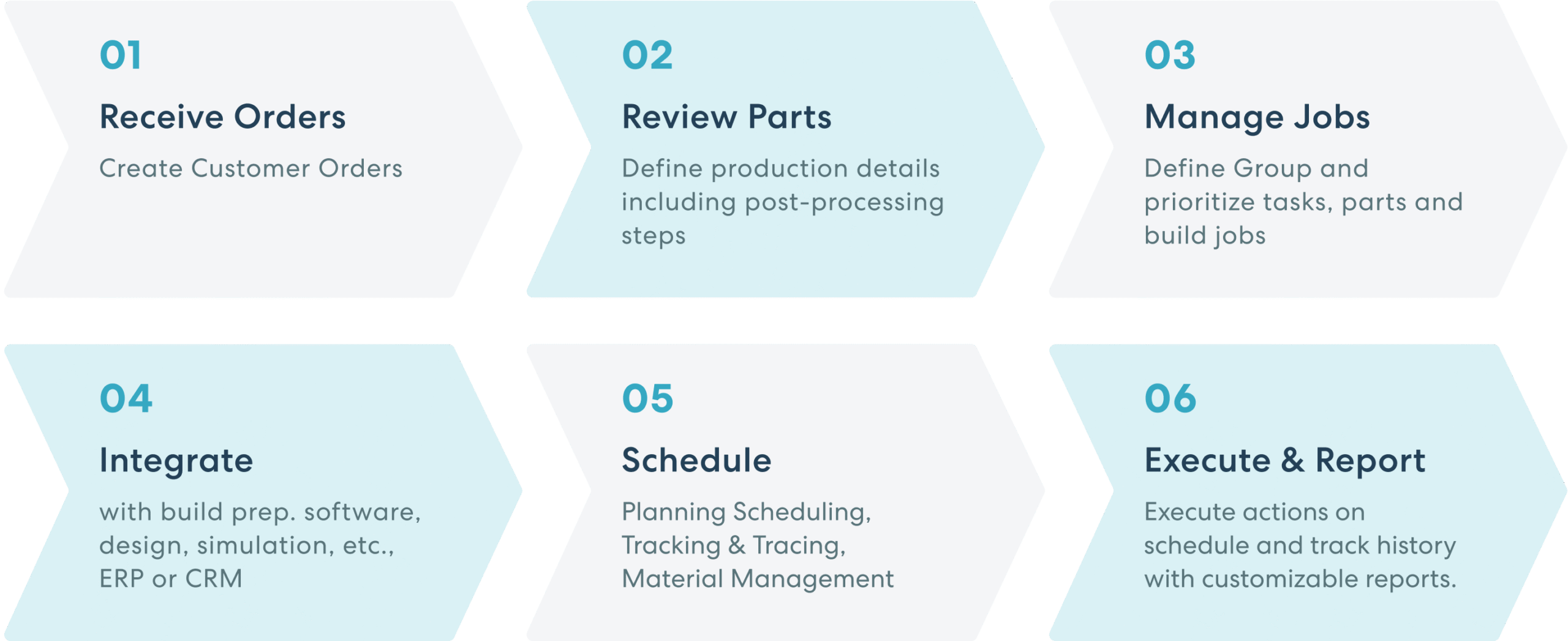
No, typically not. An MES for Additive Manufacturing is designed to integrate with these specialized tools, not replace them. The workflow looks like this:

  1. A part is processed in your build preparation software.
  2. The prepared build file, along with all its associated settings (orientation, supports, slice parameters), is imported into the MES.
  3. The MES links this file to the production order, schedules it on a printer, and stores all preparation data as part of the part’s official record.

This integration ensures that the expert work done in preparation software becomes a traceable part of the manufacturing process.

What is the typical Return on Investment (ROI) for an MES for Additive Manufacturing?
The ROI comes from several areas:

  • Increased Machine Utilization: better scheduling and visibility reduce idle time, maximizing the output of your expensive AM equipment.
  • Reduced Labour Costs: automating manual tasks like quoting, scheduling, data entry, and reporting frees up skilled engineers and operators to focus on value-added work.
  • Lowered Failure Rates: by analyzing process data, you can identify the root causes of build failures and improve process stability, saving on material and machine time.
  • Improved Quality & Reduced Scrap: enforcing process consistency leads to higher-quality, repeatable parts and less rework or scrap.
  • Faster Time-to-Market: streamlining the entire workflow from order to shipment enables you to deliver parts to customers faster.