Digitally Manage, Publish and Order Spare Parts

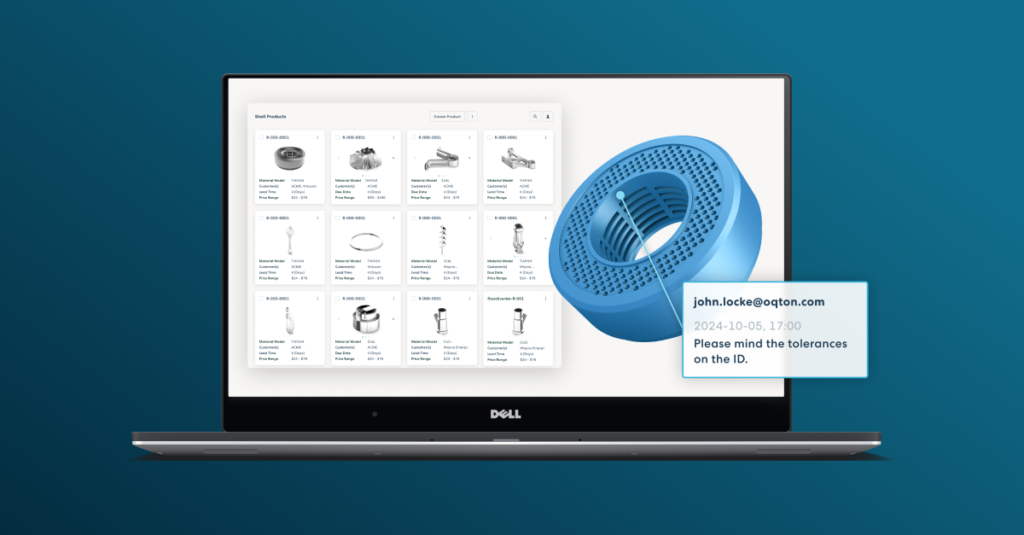
MOS – Digital Warehouse is a SaaS Platform enabling organizations in regulated markets to manage, publish, order and re-order on-demand certified spare parts optimized for AM.

Industry-leading software for additive manufacturing

Fragmented & Hard-to-Find Product Data

CAD files, specifications, and drawings scattered across departments lead to delays and errors

Long Lead Times & Supply Chain Delays:

Difficulty sourcing low-volume or obsolete parts increase downtime risk

Liability

Ensure processes are followed and executed as defined enabling certification
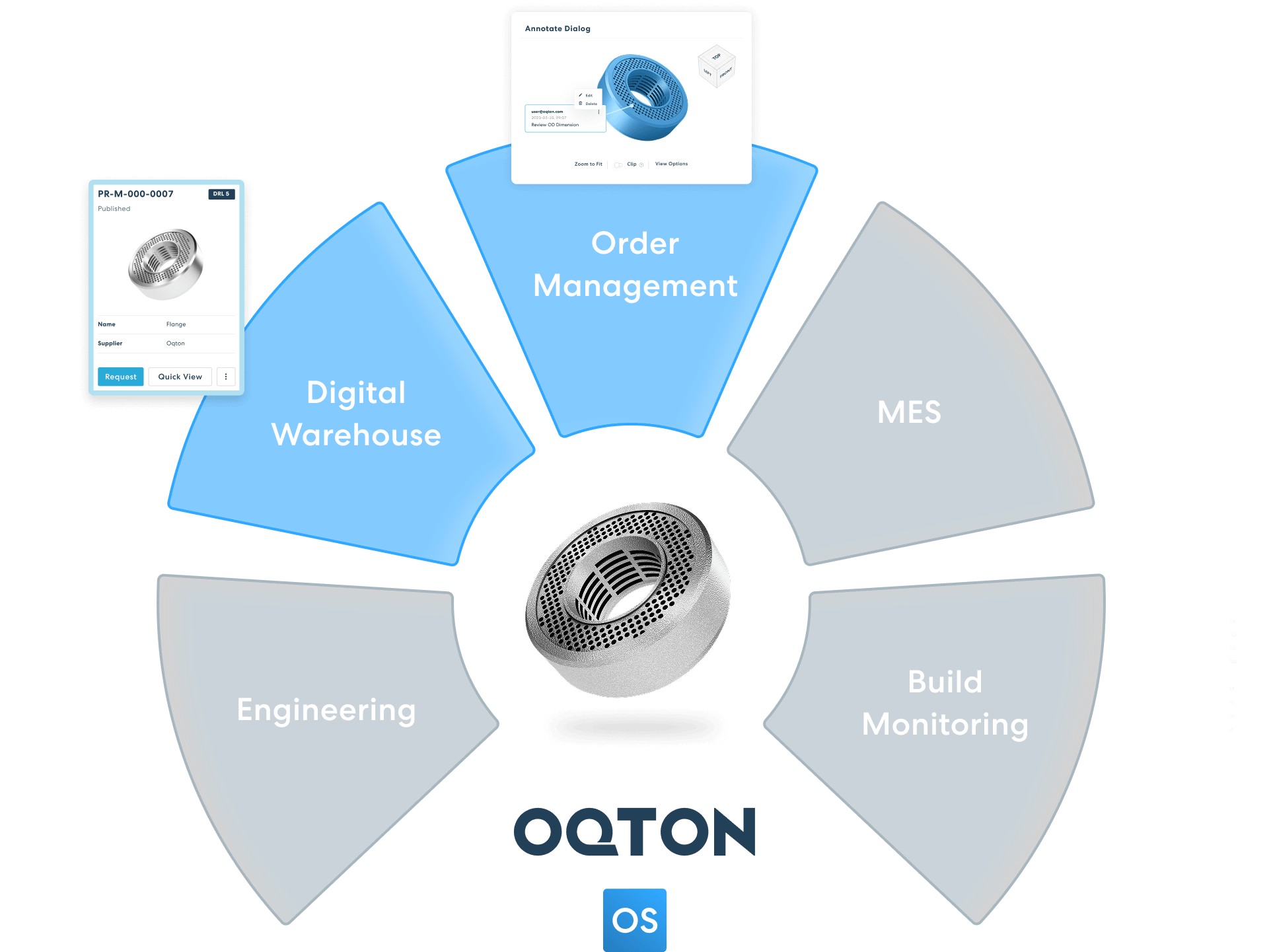
Oqton Manufacturing OS

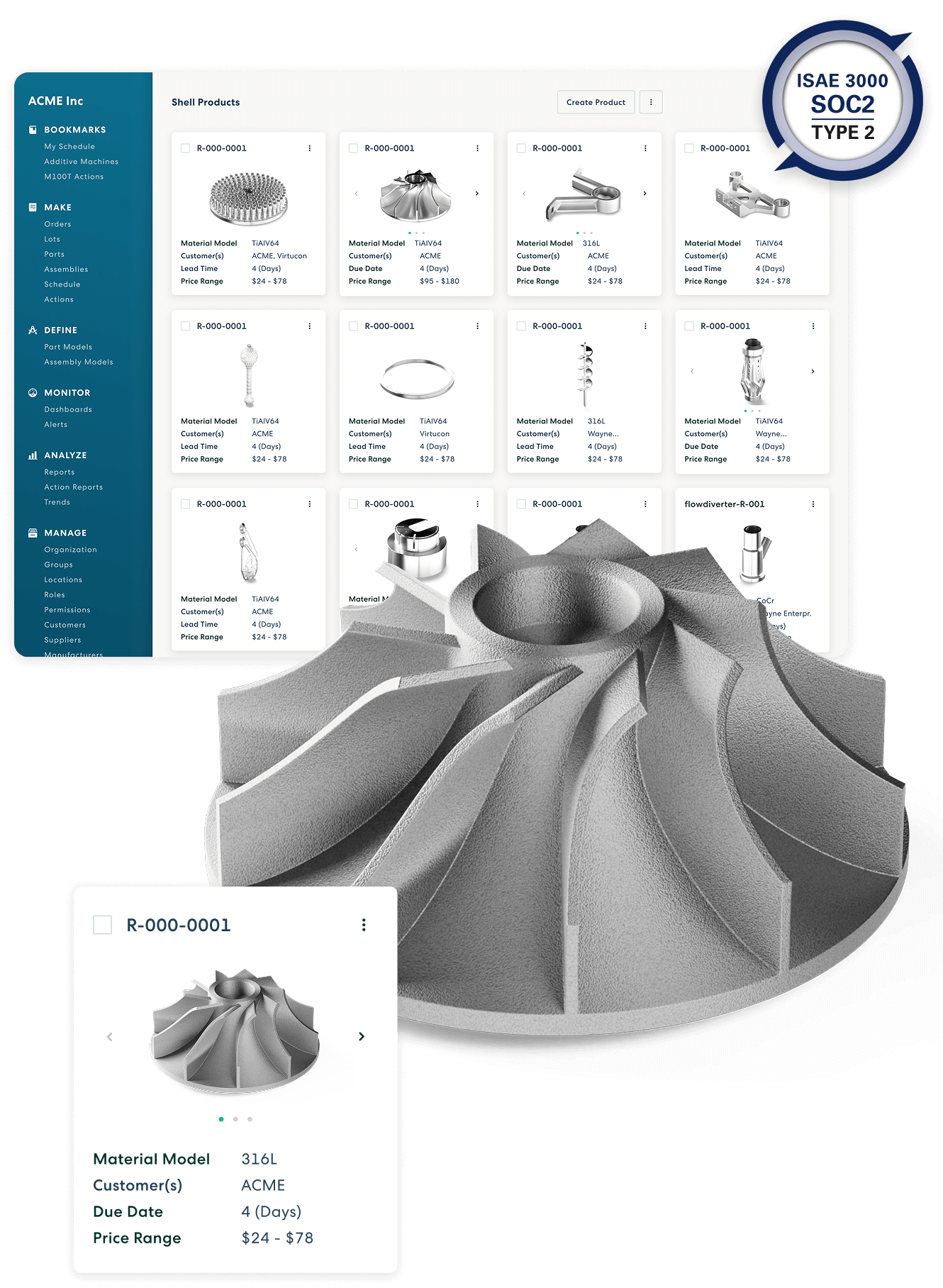
Your Digital Warehouse for On-Demand Parts
Digitize Spare Parts at Scale

Reduce operational downtime and inventory costs
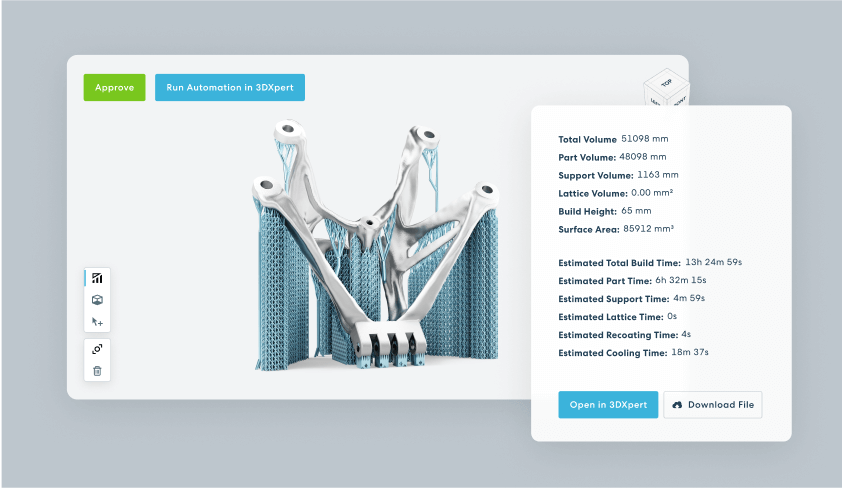
3DXpert provides a dedicated design toolset required for light-weighting, texturing, and printability modifications. Constructed with manufacturability in mind, 3DXpert puts the M in DfAM.
  • Capture key product data to enable digital qualification
  • Collaborate internally or with suppliers to validate and qualify products
  • Maintain full visibility into status and progress of each item
  • Factory Level Execution Experience

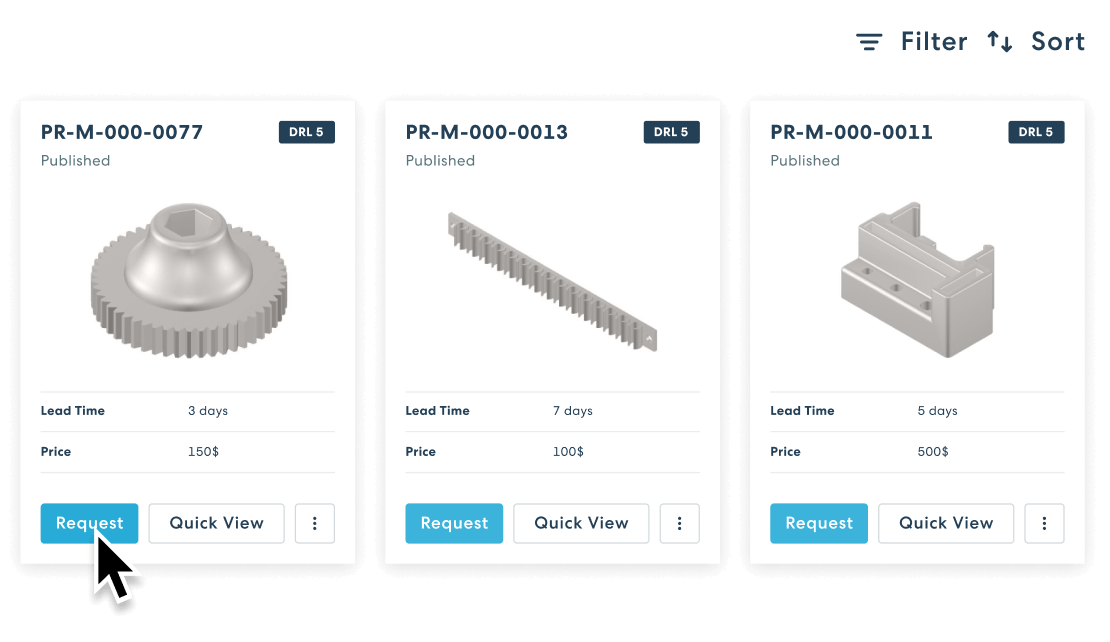
Streamline Access to Catalog Products

Build a more resilient supply chain

  • Seamlessly manage and update Catalogued Products
  • Consolidate all product data, including CAD files and specifications
  • Eliminate data fragmentation

Order Management Portal

Accelerate the entire order-to-fulfilment lifecycle
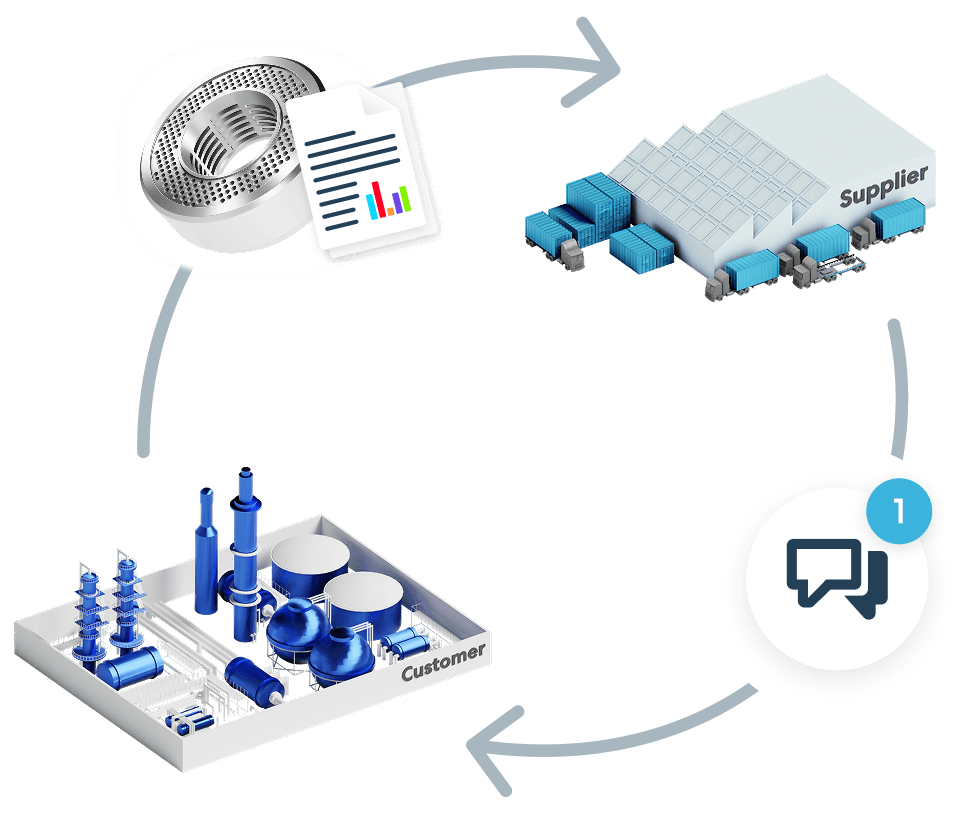
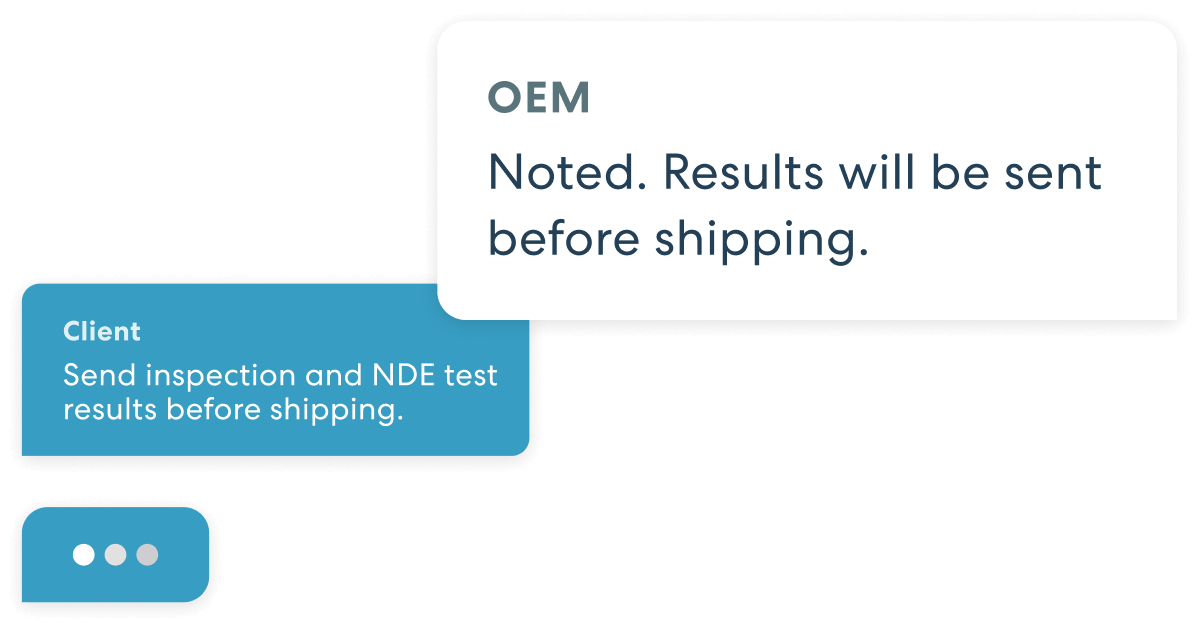
  • Connect and collaborate efficiently with your entire network
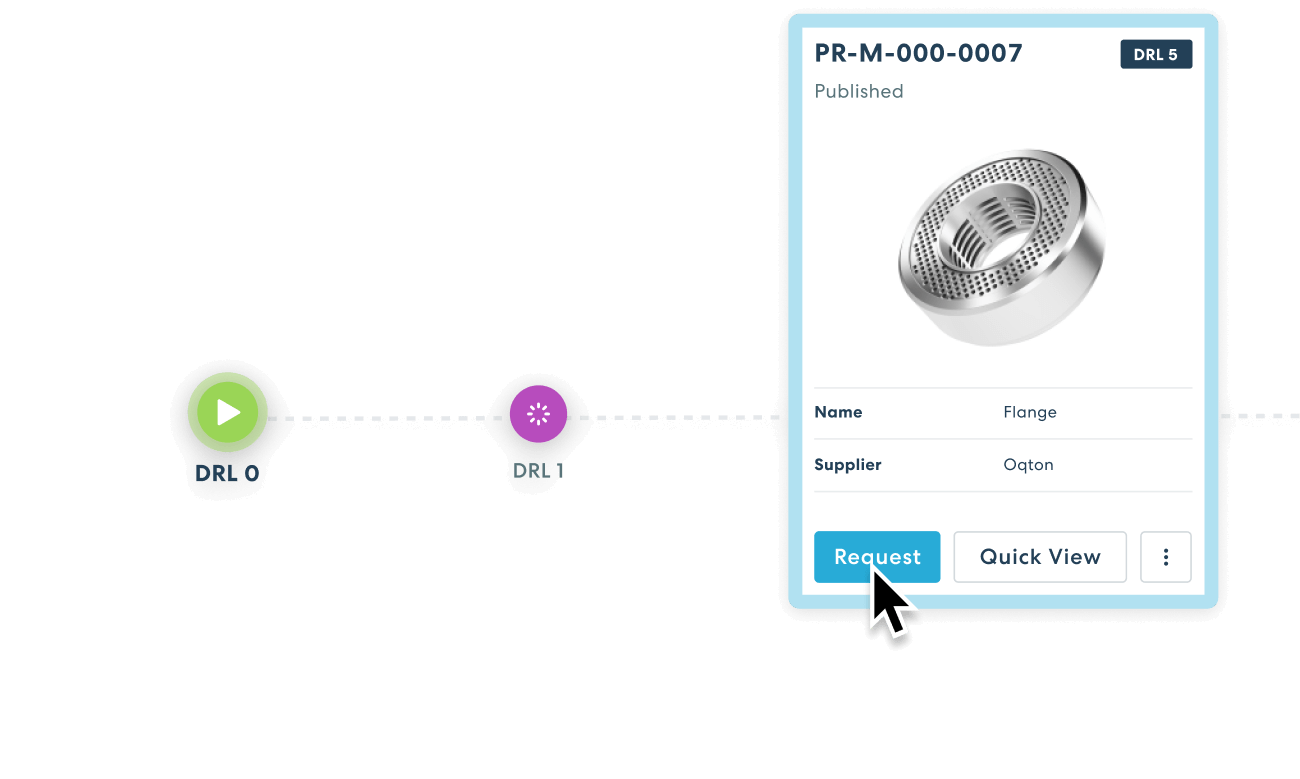
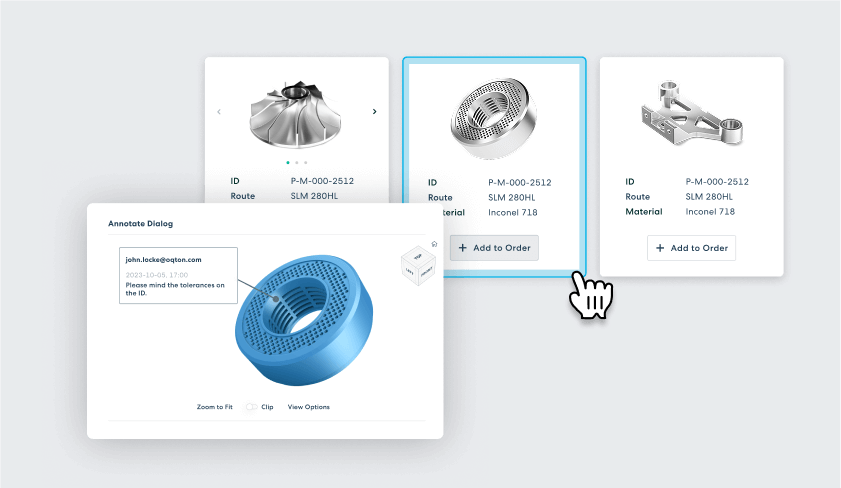
  • Allow customers to easily request and order catalog items
  • Enable approved suppliers to fulfill requests and share quality documentation

Generating Value Through a Unified Digital Platform

Centralize, Collaborate & Qualify

  • Digitize: Centralized platform offering full, paperless traceability across the entire digitization process
  • Collaborate: Connect you with suppliers, manufacturers, internal and external customers
  • Qualify: Ensures seamless compliance with industry regulations and standards

Integration

Connect to Enterprise systems

  • Integrate seamlessly with existing platforms
  • Push data to where it is needed
  • Pull data to streamline your experience

Optimized for your production equipment with deep integration
logo logo logo logo logo logo logo logo

Stakeholders

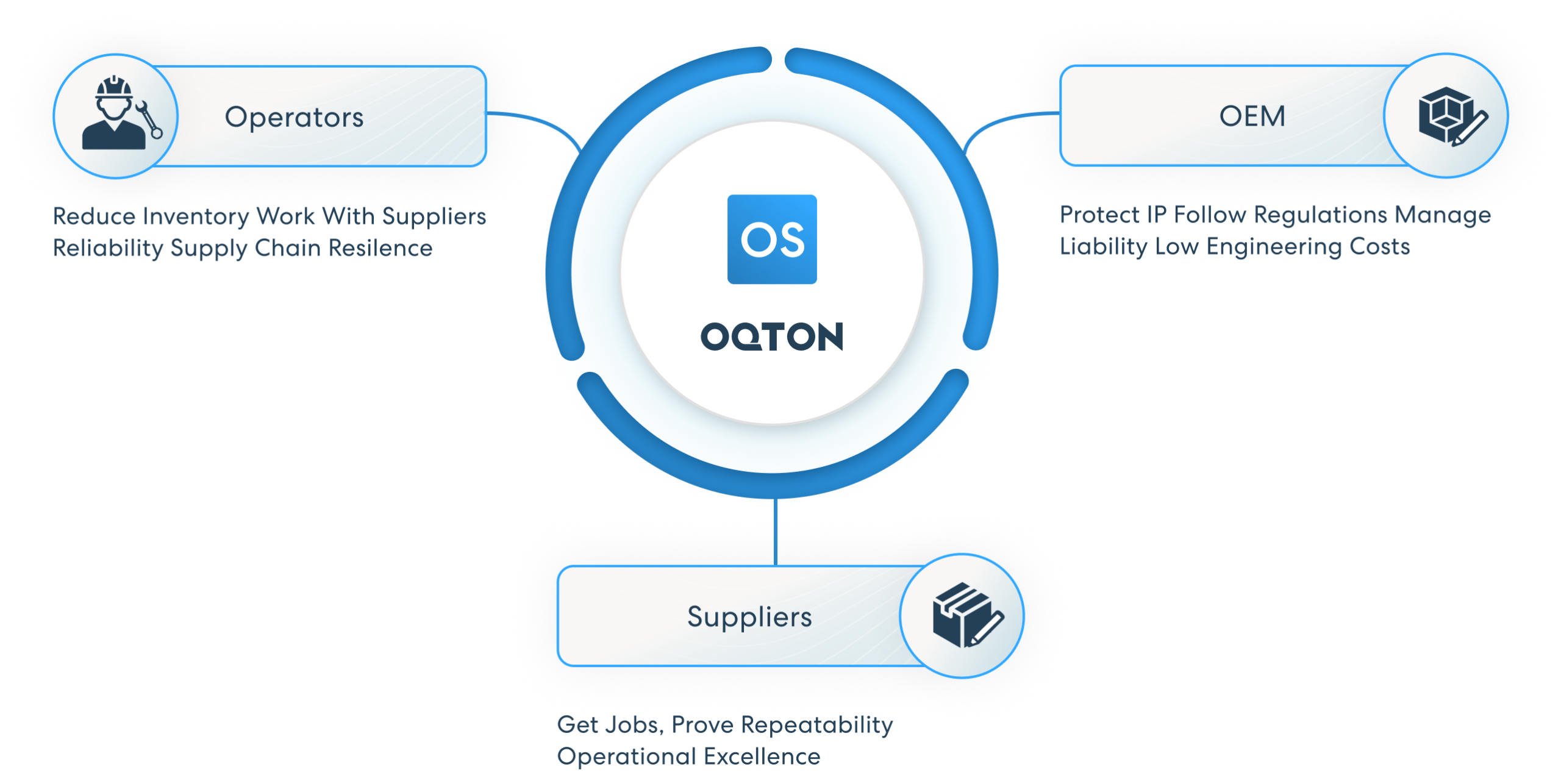
Powering Seamless Collaboration and Distributed Manufacturing
Manufacturing OS

Your Production Partner

Seamlessly access your catalogued products. Allow your customers and internal teams to easily find, request, and order approved parts directly from the digital catalogue. Connects with approved suppliers who can fulfill the request and share all necessary quality reports directly through the platform.

Digital Catalog

 
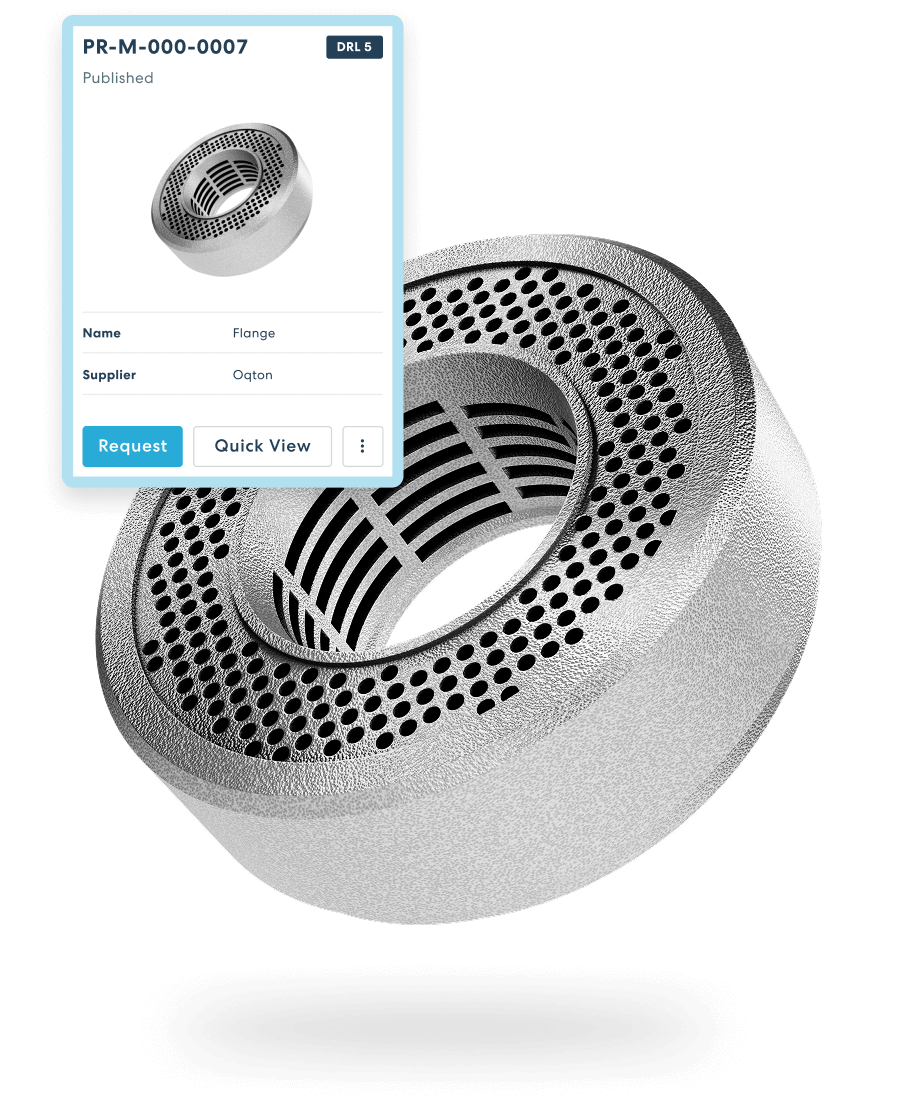
Reduce downtime, cut cost and optimize supply chain by creating, managing and maturing digital assets for on-demand production
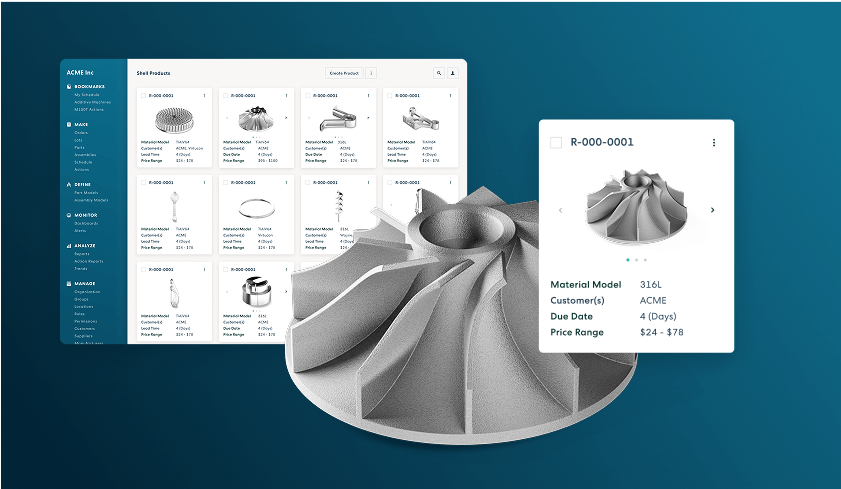
Digital Product Definition

 
Eliminate errors, accelerate product qualification and ensure compliance by establishing a single source of truth.
Order Management

 
Collaboratively manage requests, capture requirements, communicate with customers, exchanges quotes and create actual productions orders.
MOS additive Manufacturing Software
Don’t take our word for it!
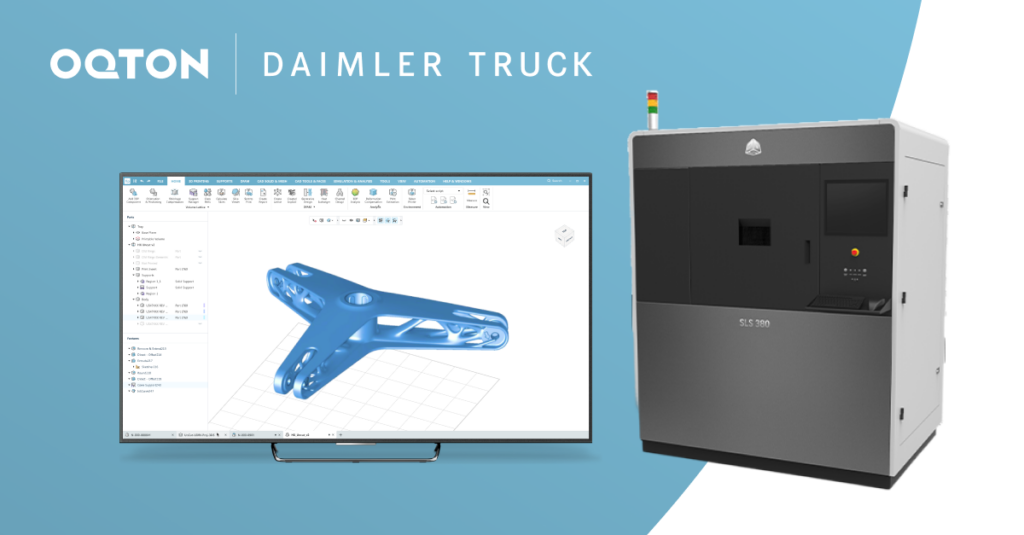
Have a look at how successful our customers are
MOS FAQs

How does the Digital Warehouse improve lead times?
By replacing physical inventory with a digital one, you can produce parts on-demand, closer to the point of need. This eliminates the long lead times associated with traditional sourcing of low-volume or obsolete parts.
Is this platform suitable for regulated industries like Energy, Aerospace or Healthcare?
Yes. The platform is designed specifically for regulated markets. It ensures that parts are produced according to certified workflows and maintains full traceability to help you comply with industry standards.
How do I collaborate with my suppliers using this platform?
The Digital Warehouse allows you to connect with your approved suppliers, enabling them to fulfill requests directly through the system. Suppliers can also share quality reports and other required documentation for seamless validation.
My supply chain is global and complex. How does this solution help reduce risk from disruptions?
Global supply chains are vulnerable to disruptions from trade policies, natural disasters, and health crises, which can delay or halt the availability of critical spare parts. A digital warehouse decentralizes production. Instead of relying on a single supplier or region, you can send the digital file to a qualified manufacturing facility anywhere in the world, ideally one located closer to the point of need. This reduces dependency on complex logistics and shipping routes, mitigating the impact of regional disruptions and customs issues, ultimately making your supply chain more resilient.
What is the real financial advantage of a digital inventory over our current physical warehouse?
The financial benefits are significant. A digital warehouse drastically reduces the high overhead costs associated with physical storage, such as rent, security, and maintenance. It also minimizes the capital tied up in physical inventory that may sit unused for long periods or become obsolete. By shifting to an on-demand model, you eliminate the risk of overstocking, reduce waste, and improve cash flow because parts are only produced – and paid for – when they are actually needed.
How can we be sure that an on-demand, 3D-printed part has the same quality as the original?
Ensuring quality is a critical step in the digital warehouse process. Oqton’s solution addresses this by integrating quality management directly into the workflow. The platform manages the entire qualification process, from initial design validation to material specification and post-processing requirements, such as curing or sanding, which improve a part’s mechanical properties. For regulated industries, the system enforces standardized processes and captures all data needed for certification and traceability, ensuring the manufactured part meets the required performance and safety standards.
We struggle with poor quality and inconsistent spare parts data. How does a digital warehouse address this?
Poor data quality – such as inconsistent naming, duplicate entries, and incomplete specifications – is a primary cause of inefficiency in spare parts management. It leads to ordering the wrong parts, delays, and unnecessary purchases. Oqton’s platform acts as a centralized repository, enforcing standardized data entry and workflows. By creating a single, authoritative digital definition for each part, you ensure that everyone in your organization is working from the same information, which improves accuracy, reduces errors, and provides a reliable inventory overview.
How does a digital warehouse solve the problem of part obsolescence?
Part obsolescence is a major challenge, especially when equipment has a long operational life. When a physical part is no longer produced, it can lead to significant downtime and high costs to source a replacement. A digital warehouse solves this by storing the part’s design files, not the physical object. This means that as long as you have the digital “blueprint,” the part can be manufactured on-demand using technologies like 3D printing, effectively eliminating the risk of it becoming unobtainable. This is crucial in industries like semiconductors, where product lifecycles are getting shorter, and a part can become obsolete with little notice.